
Phantom Blade Zero Weapons & Items
Phantom Blade Zero Dual Weapon Combo Lab: Fast Blades, Heavy Punish, and Switch Timing
A weapon-combo guide for choosing fast blades, heavier punish tools, and switch timing in Phantom Blade Zero without overcommitting.
| Topic | Phantom Blade Zero Dual Weapon Combo Lab: Fast Blades, Heavy Punish, and Switch Timing |
| Game | Phantom Blade Zero |
| Category | Weapons & Items |
| Editorial score | 97 |
| Primary source | PlayStation release trailer |
| Evidence level | Deep editorial analysis; final mechanics pending |
| Review status | Source-aware editorial page; update when public facts, footage, demos, or patch notes change. |
Evidence desk
What this page can confirm
A weapon-combo guide for choosing fast blades, heavier punish tools, and switch timing in Phantom Blade Zero without overcommitting. The reading is anchored to PlayStation release trailer. Public footage can support the page topic; final build stats, hidden progression, and unannounced systems remain unconfirmed until the relevant official source or live release evidence exists.
Weapons & Items strategy table
| Page type | Weapons Guide |
| Primary search intent | Phantom Blade Zero best weapons and combos |
| Best source to verify | PlayStation release trailer |
| Editorial confidence | Scenario-based guidance using public information, embedded media, and cautious pre-launch interpretation. |
| Update trigger | Update after official patch notes, demo access, hands-on previews, storefront changes, or new gameplay footage. |
Combo lab
Test dual-weapon routes by purpose, not spectacle
Dual-weapon content should explain why a switch happens. A strong combo lab separates safe confirms, range correction, stagger spend, and style routing so readers can reproduce the decision instead of memorizing an untested string.
Dual-weapon combo lab
| Combo purpose | Starter condition | Switch reason | Failure sign |
| Safe confirm | Enemy recovery is short | Stay with fast option or exit early. | You are hit before the final strike. |
| Range correction | Target drifts out of first weapon range | Switch to reach or gap close. | Follow-up whiffs. |
| Stagger spend | Boss recovery is clearly long | Move into heavier pressure. | Boss resumes before heavy hit lands. |
| Crowd control | Second enemy enters the lane | Switch to space-clearing action. | Camera loses the original threat. |
| Phantom Edge route | Read is stable and resource rules are known | Add special utility after safety. | Special move hides the next tell. |
Lab rules
Record the reason for every switch before recommending it.
Keep one no-switch baseline for comparison.
Separate visual style routes from practical boss routes.
Retest every route after final input buffering and cancel rules are known.
Link combos to the weapon family and Phantom Edge pages.
This page should become the bridge between beginner weapon advice and expert optimization once playable data exists.
Scenario-based recommendations
This section is written as practical editorial guidance: choose by scene, role, route, enemy pressure, or player goal rather than chasing a universal best answer.
Scenario matrix
| Combat state | Weapon answer | Reason |
| Short opening | Fast blade punish | Low commitment preserves defense. |
| Confirmed stagger | Heavy punish tool | Damage window is safer. |
| Boss spacing out | Reach or chase option | Keep pressure without blind sprinting. |
| Camera crowded | Stop switching | Visual clarity matters first. |
What to pick and when to avoid it
Fast opener
Best for: Testing windows.
Avoid when: The boss is staggered long enough for heavy damage.
Fast weapons gather information safely.
Heavy finisher
Best for: Confirmed punish windows.
Avoid when: Recovery will eat the next attack.
Heavy tools are strongest after the fight state is controlled.
Switch cancel discipline
Best for: Advanced flow.
Avoid when: The player is using switch inputs as panic.
Switching should improve position or damage, not hide uncertainty.
Comparison table
| Weapon role | Best use | Risk | Priority |
| Fast blade | Window testing | Lower burst | S |
| Heavy punish | Stagger damage | Recovery | A |
| Reach tool | Spacing control | Whiff risk | A |
| Style chain | Expression | Overcommit | B until mastered |
A great Phantom Blade Zero combo is not the longest string. It is the string that knows exactly when to stop.
Build combos backward
Start by asking how the combo ends safely. Once the exit is known, choose opener, switch point, and finisher. This prevents beautiful strings from becoming death animations.
Use fast weapons to ask questions
A fast hit can test whether an opening is real. A heavy hit should usually answer a confirmed opening, not investigate one.
Action checklist
Use fast attacks to test uncertain windows.
Reserve heavy punish for confirmed stagger or recovery.
Stop comboing when camera information is poor.
Practice one switch point at a time.
Judge a combo by safe exit, not clip quality.
Media and source board
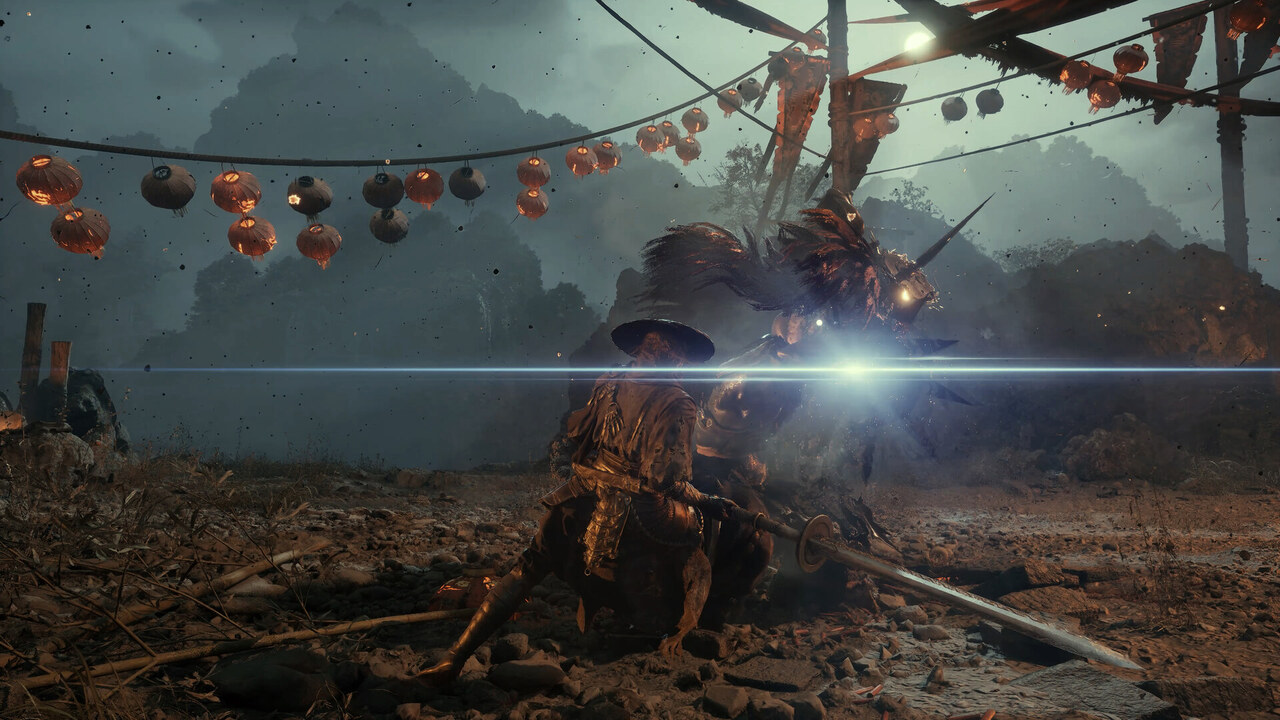 Lantern parry duelOfficial game media
Official screenshot for weapon timing and parry reads.
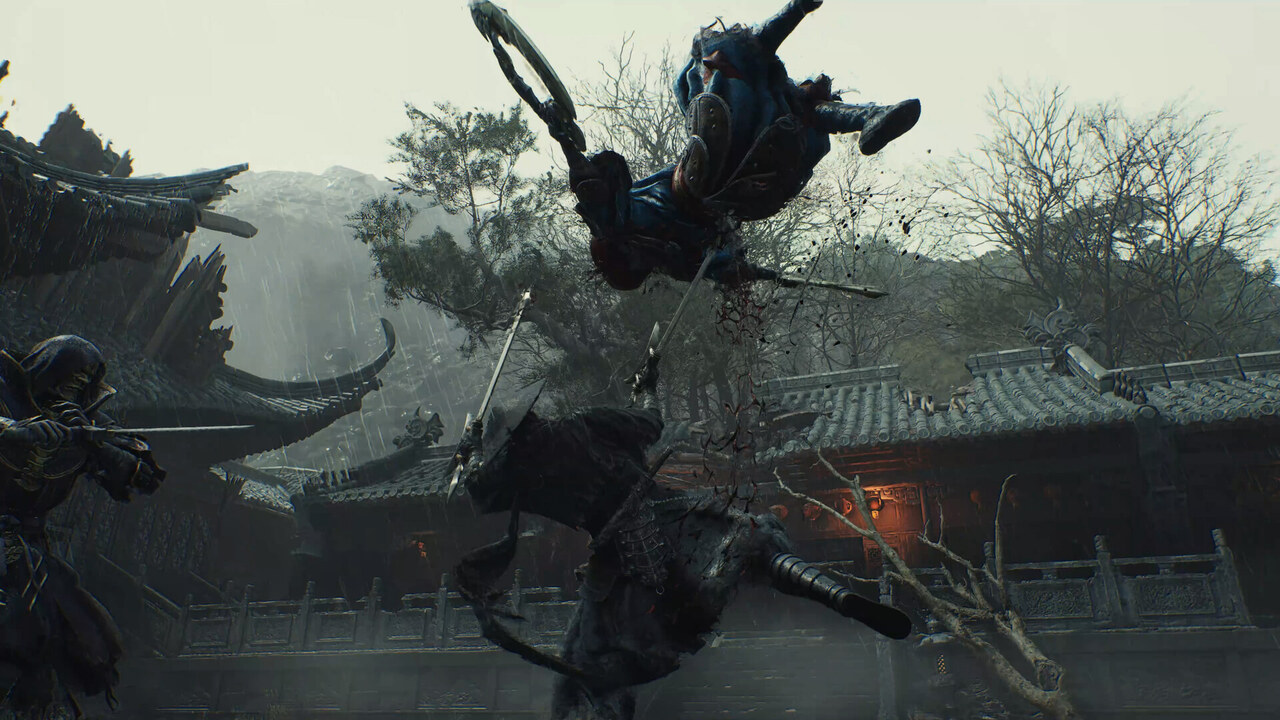 Air combat clashOfficial game media
Official screenshot for movement and weapon-switch questions.
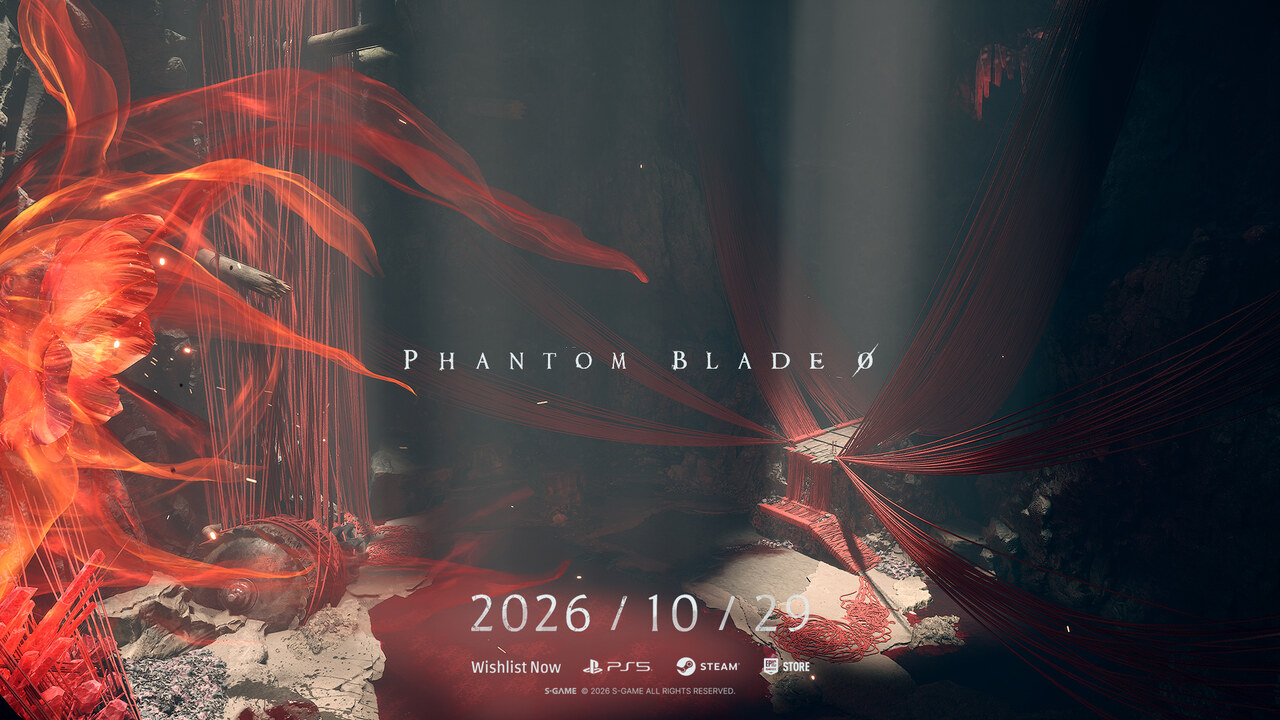 Red blade sceneOfficial game media
Official media for Phantom Edge and weapon-utility watchlists.
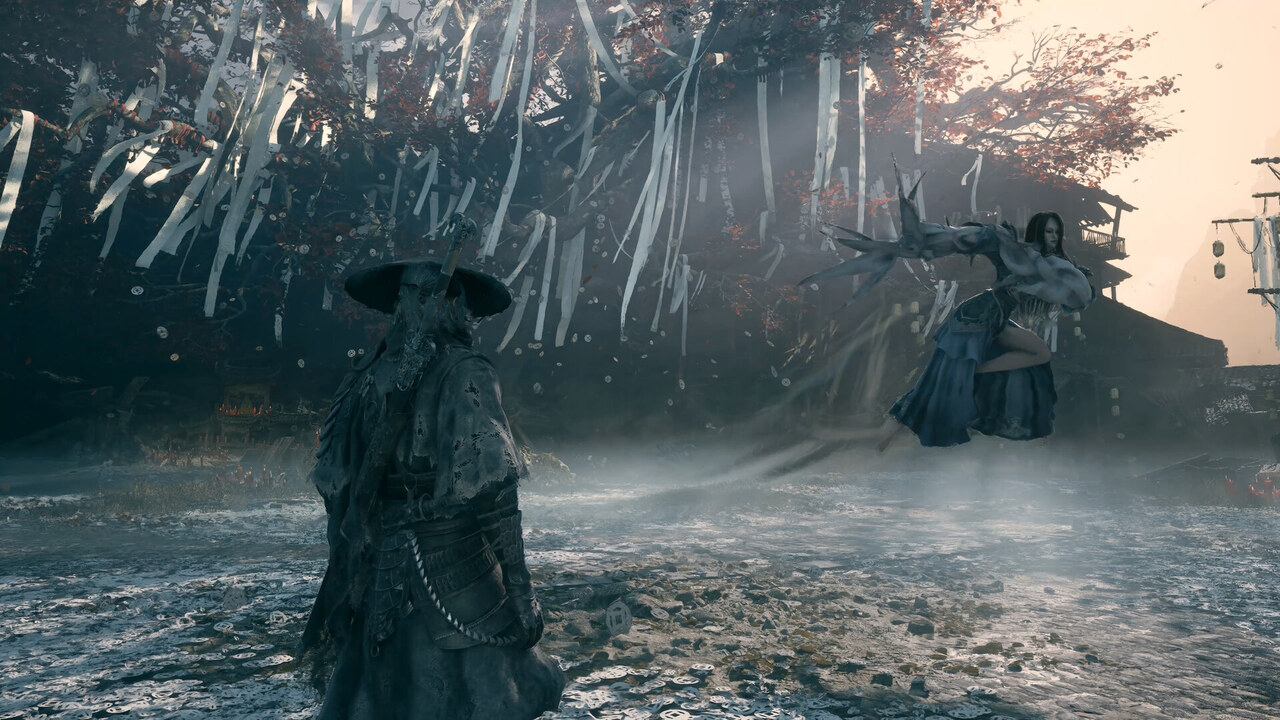 Rain courtyard duelOfficial game media
Official screenshot for duel pacing and punish windows.
Useful for release-date follow-up, combat tone, Phantom Edge presentation, and boss mood.
Useful for PlayStation-facing combat presentation and boss movement.
Useful for launch messaging and platform-facing presentation.
Source and credit
This page summarizes public information and editorial interpretation. Primary source: PlayStation release trailer.
Next read path
Use this path to keep reading by intent instead of jumping through random links. It connects this page to the closest source, strategy, database, or verification hub.
FAQ
What are the best Phantom Blade Zero weapons?
Final weapon stats are not safe to rank yet. This guide ranks weapon roles by scenario value visible in public footage.
Should I switch weapons constantly?
No. Switch when it improves the current combat state; constant switching can become stylish noise.
How do beginners practice combos?
Use short strings with a planned exit before adding switch extensions.